Is Illness Plaguing Your Home? Feng Shui Might Be the Culprit!
By Wayne
July 25th, 2025
76 views
Health Hazards in Home Feng Shui
1. Dark and Damp Rooms with Peeling Walls
Rooms that are dark and damp, often referred to as "yin houses," are breeding grounds for bacteria. Excessive humidity can lead to skin diseases, rheumatism, excessive body dampness, and other chronic conditions. It's crucial to ensure good air circulation and ample natural light in rooms. Additionally, walls that are peeling and turning black should be promptly renovated and treated for moisture.
2. Irregular Rooms Used as Kitchens or Bedrooms
In Feng Shui, rooms with irregular shapes and many corners are believed to generate energy that can negatively impact health. These spaces tend to trap stagnant energy, disrupting the home's energy flow. It's advisable to use such rooms for storage rather than as living areas like bedrooms or kitchens. This practice helps maintain a harmonious living environment and supports the overall well-being of the household.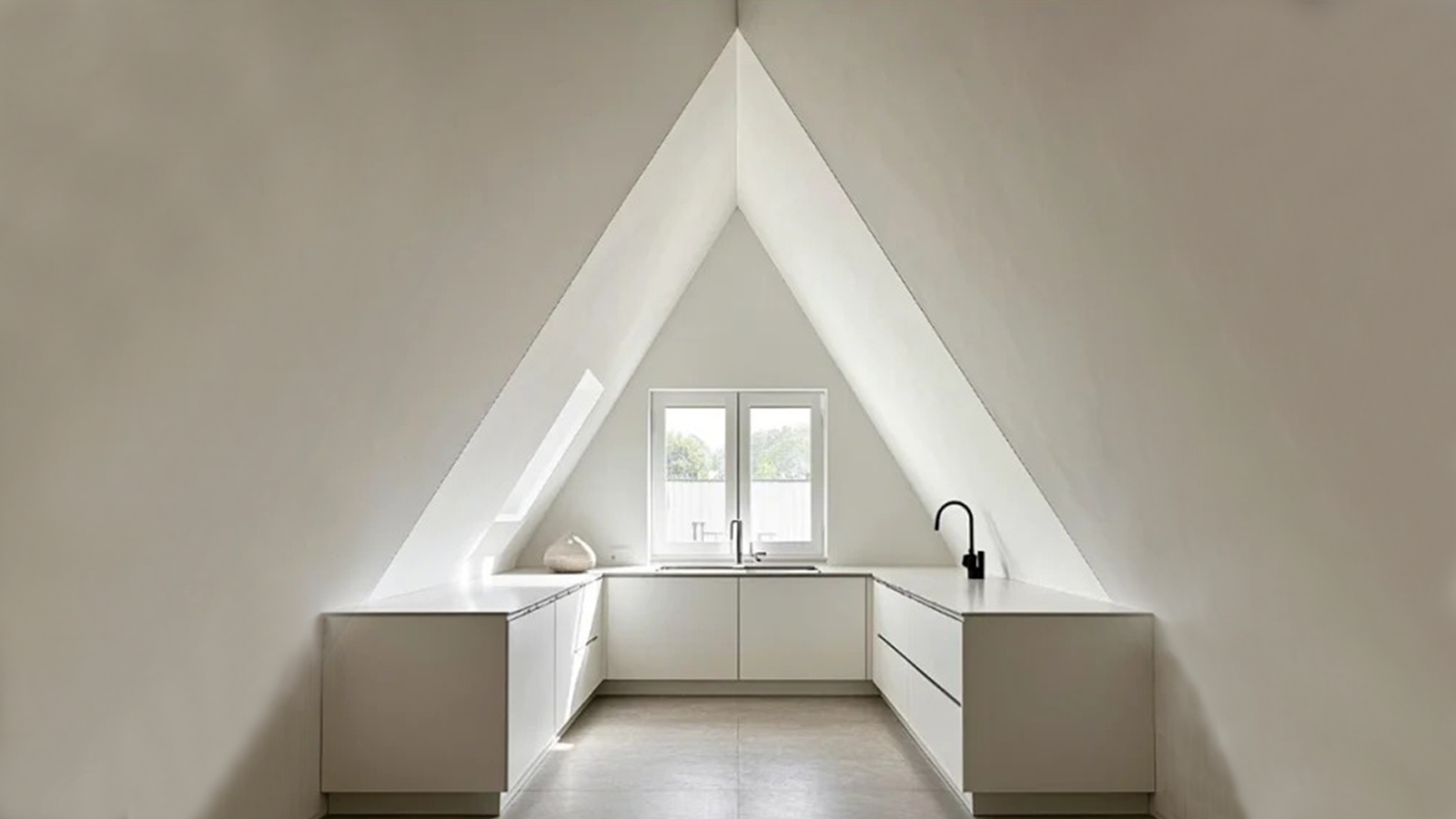
3. Mirrors Facing Each Other
Positioning a mirror by the bed poses a minor Feng Shui concern, potentially disrupting sleep due to its reflective properties. When mirrors are placed facing each other, it escalates the issue, significantly increasing anxiety. This setup is said to create a confusing four-dimensional space, which might lead to dizziness and attract negative energies. Such an environment can be harmful to both mental and physical health, as it may foster a sense of unease and disrupt the peaceful flow of energy necessary for restorative sleep.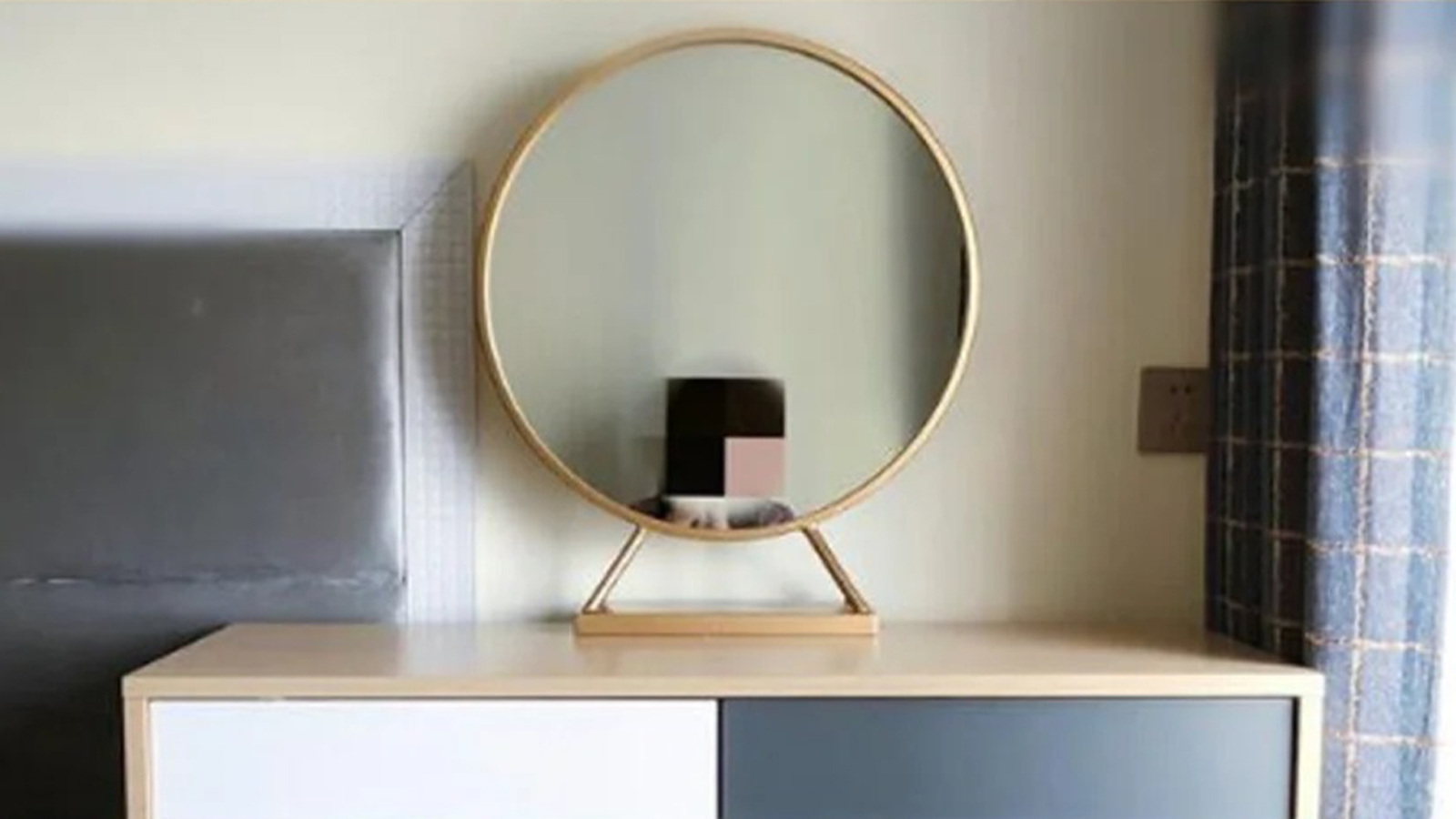
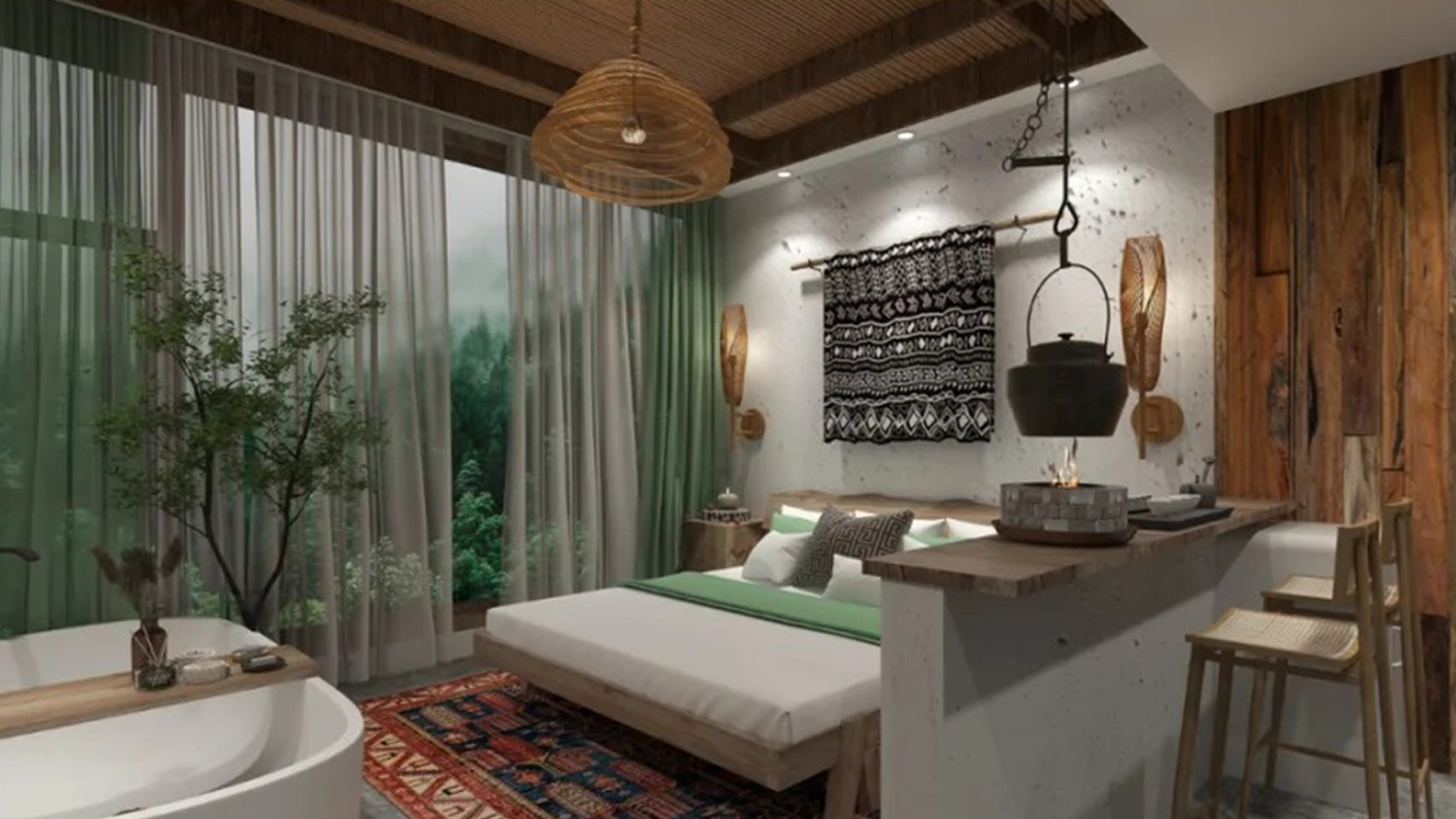
4. Bathrooms and Toilets Close to and Facing Beds
Bathrooms and toilets, which are naturally damp, can exacerbate humidity levels when positioned near or facing beds, potentially leading to health issues like allergies and respiratory problems. In Feng Shui, this setup is thought to disrupt the positive energy flow, affecting sleep quality and overall well-being. To counteract these effects, it's advisable to use doors and screens as barriers to separate these areas from the bedroom. This not only helps to keep the sleeping area dry and comfortable but also maintains a harmonious energy flow, fostering a healthier living space.
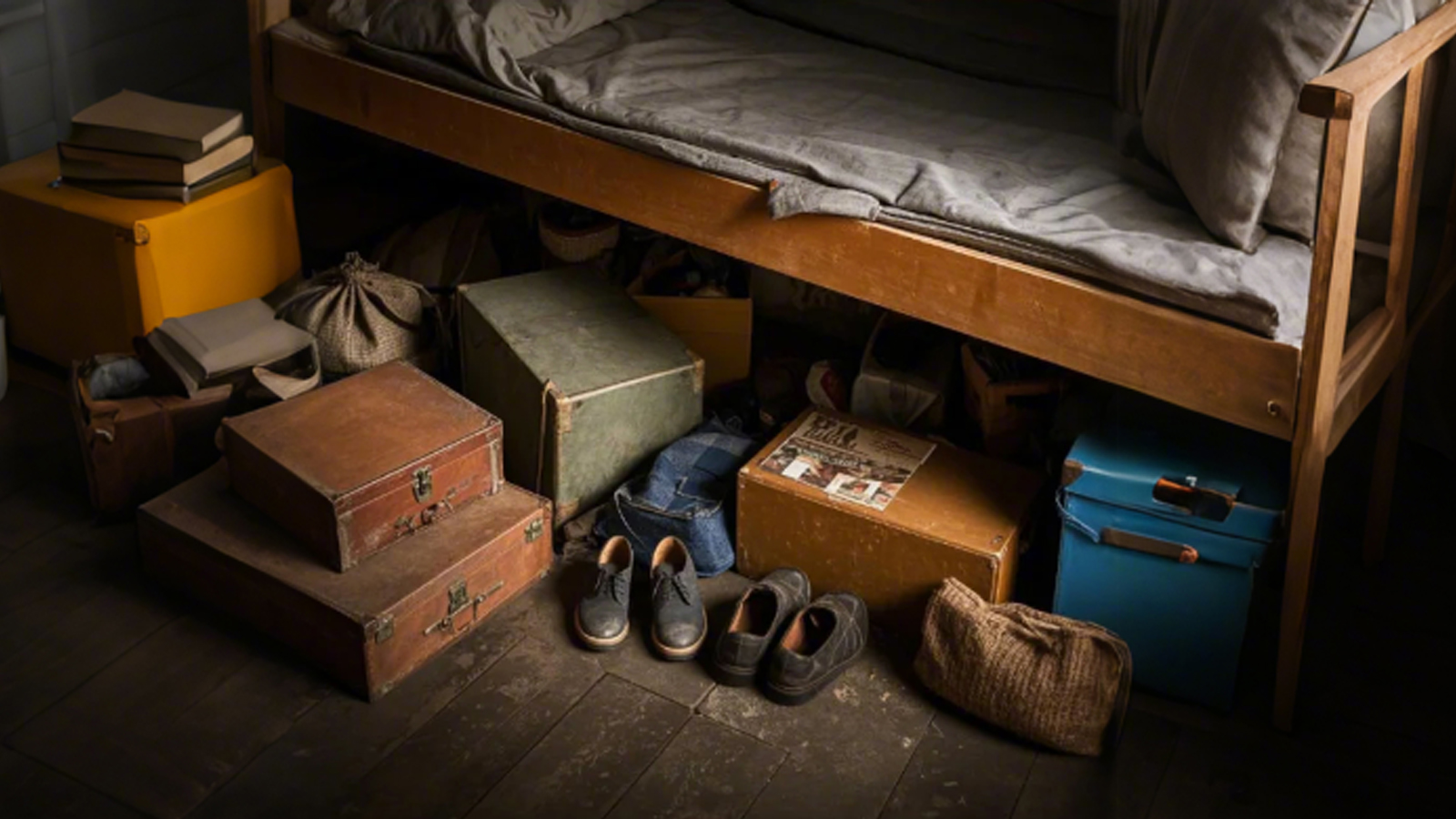
5. Clutter Under the Bed
The area under the bed should remain empty and well-ventilated. Accumulating too many items can breed bacteria and provide a nurturing environment for mites.
Previous
How to Change Your Feng Shui to Retain Wealth? These Tips Are a Must-Know!
Read More

 2. Irregular Rooms Used as Kitchens or Bedrooms


